


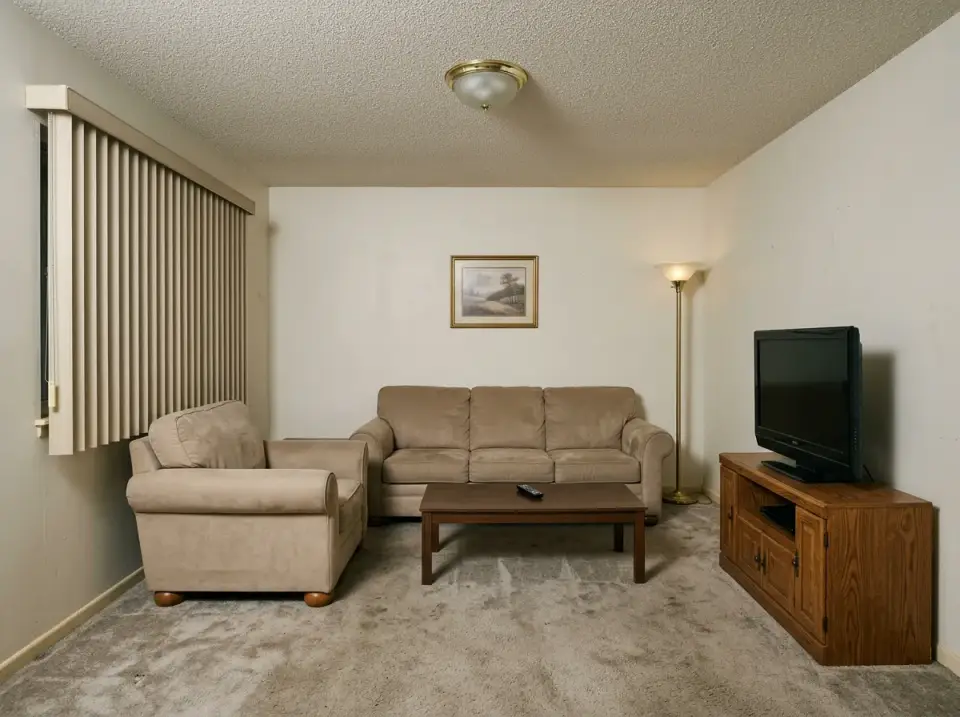
A client in Mount Pleasant called me the summer before last with the same plea I've heard about thirty times in seven years of Charleston work — "it's a room full of things I don't even remember owning and I want it to feel like anything else." The room was a 140-square-foot back bedroom in a 1980s ranch: one window, beige carpet crushed by a decade of unopened Amazon boxes, an exercise bike nobody had touched since her daughter left for college, and a ceiling fan too big for the ceiling. We walked through eleven directions over a single Saturday morning before she narrowed it to three. This guide is all eleven — each one a direction I've actually built out or signed off on for a Lowcountry client, with honest costs, real products, and the climate caveats that come with restoring a spare room in a region where humidity, grid brown-outs, and termite pressure all quietly shape what works.
What's in This Guide
- The Luxurious Library and Lounge
- The Biophilic Bohemian Retreat
- The Classic Gentleman's Study
- The Glamorous Art Deco Dressing Room
- The Minimalist Japandi Workspace
- The Retro Mid-Century Modern Office
- The Serene Wabi-Sabi Sanctuary
- The Sophisticated Custom Home Office
- The Edgy Industrial Loft Workspace
- The Bright and Breezy Coastal Escape
- The Cozy Scandinavian Sanctuary
- Regional Fit: How These Directions Land Across the Southeast
- Pro Tips for Any Spare Room Transformation
- Frequently Asked Questions
- Sources and References
- Final Thoughts
1. The Luxurious Library and Lounge
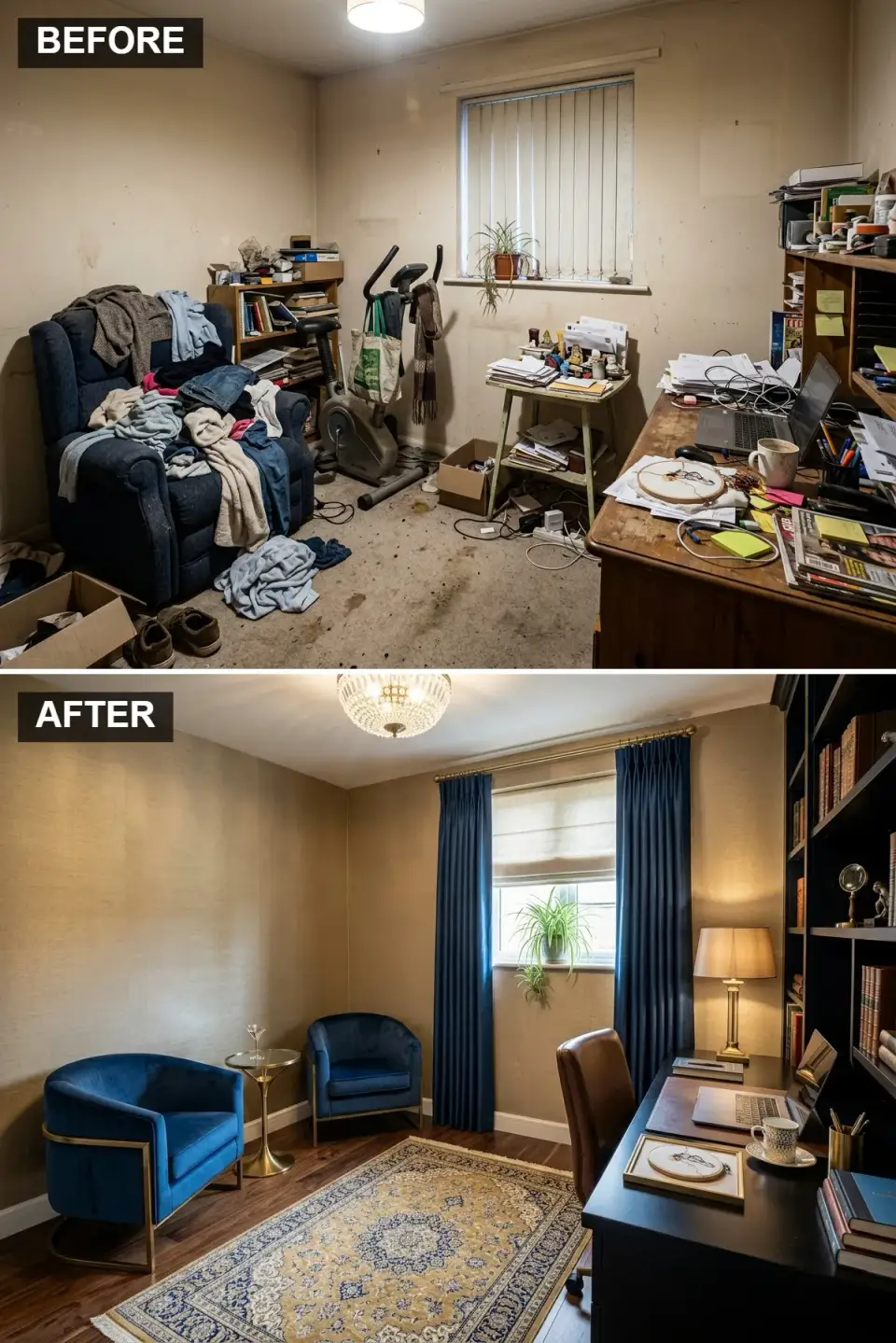
A true library-lounge is the direction clients ask for most often and under-budget for most consistently. Floor-to-ceiling built-ins done properly run $240–$420 per linear foot in Charleston for solid poplar with stain-grade walnut veneer faces — a 10-foot run is $2,400–$4,200 installed, not the $900 figure Pinterest suggests. Deep sapphire walls (Benjamin Moore Hale Navy HC-154 or Farrow & Ball Stiffkey Blue 281) absorb roughly 85% of the light that hits them, so plan for 2× the lumens of a light room. Integrated brass sconces from Visual Comfort or Circa Lighting (Lagoon or Hicks series) at 6 feet on center above the shelves read library-club rather than bookstore.
Color Palette
Deep Sapphire
#1E3A5F
Moody saturated navy that reads "private study" in warm lamplight.
Gold Silk
#C9A961
Brass hardware, a silk lampshade, and a single gilded frame for warmth against the navy.
Matte Black
#1A1A1A
Window frames, the library ladder, and the reading lamp — black grounds the brass.
Dark Walnut
#3E2A1A
The bookshelf faces and desk — stain-grade walnut or a convincing walnut veneer.
Styling Notes for This Look
- Paint the bookshelf backs the same navy as the walls — contrasting white backs look like IKEA Billys, not a library. This is the single biggest visual upgrade for a built-in.
- A real library ladder on a brass rail is $600–$1,400 installed (Putnam Rolling Ladder is the reference). Skip it if the ceiling is under 9 feet — it becomes decorative clutter.
- Persian or Persian-style wool rugs absorb sound measurably — my 10x14 Safavieh Heritage reduces a Charleston client's Zoom-call echo by 3–4 dB.
- Leather-bound book sets from Juniper Books or Thriftbooks run $4–$12 per volume. Don't buy the fake plastic ones; the sheen is wrong on camera.
2. The Biophilic Bohemian Retreat
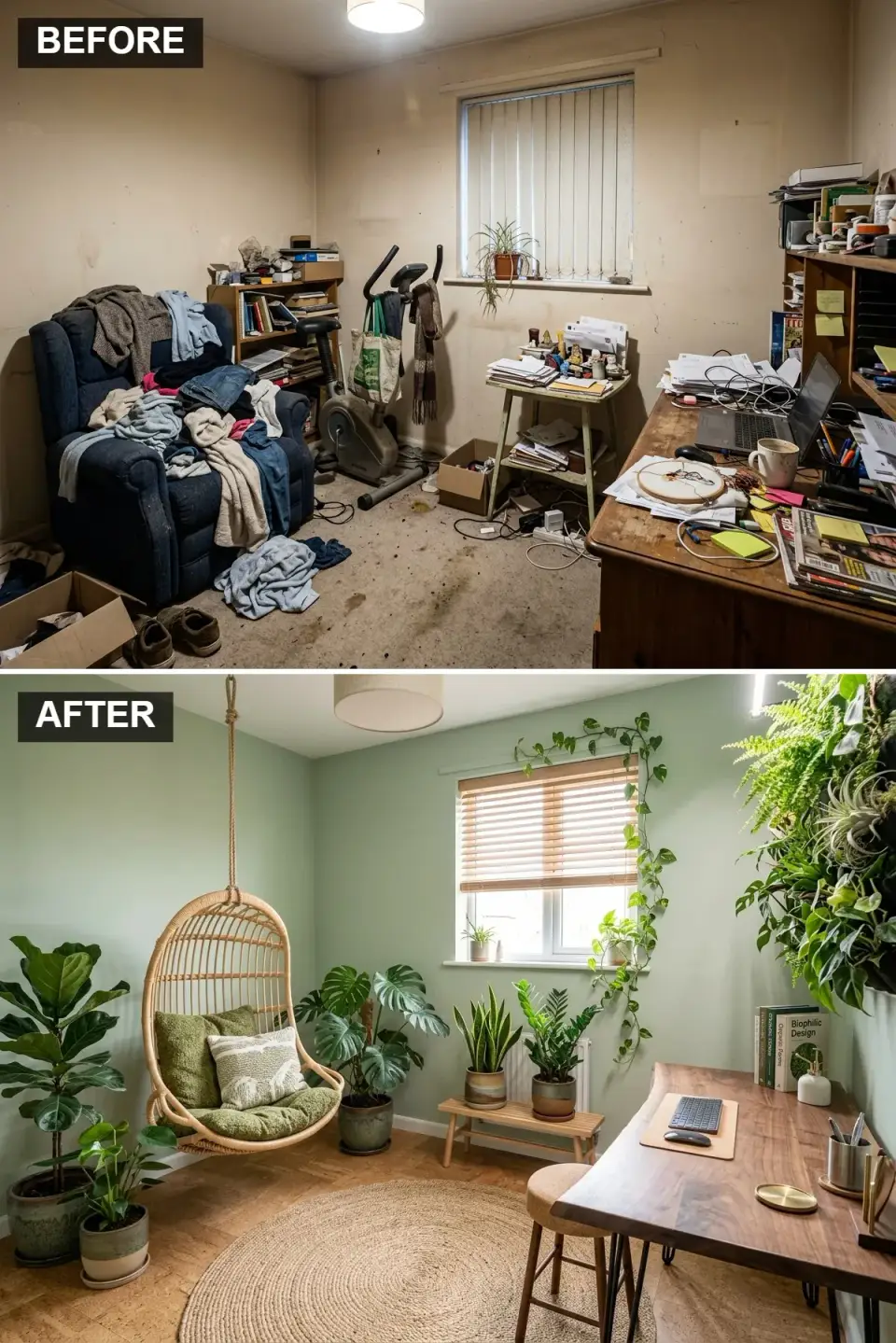
Biophilic design has real research behind it — Terrapin Bright Green's 14 Patterns of Biophilic Design and Kellert & Calabrese's 2015 framework both document measurable stress-reduction when indoor spaces include living plants, natural light, and natural materials at a certain density. In the Lowcountry the catch is light: most spare rooms have one window, and most houseplants photographed on Instagram are dying on a six-week rotation. Stick with plants that actually tolerate low-to-medium indirect light — pothos, ZZ plant, snake plant, cast iron plant, heart-leaf philodendron. A fiddle-leaf fig in a windowless Charleston back bedroom is a $120 mistake that dies by February.
Color Palette
Sage Green
#A3B18A
Benjamin Moore Saybrook Sage HC-114 reads as the closest match in most Charleston daylight.
Live-Edge Walnut
#5C4033
Single-slab live-edge walnut with visible bark — locally sourced from Blue Heron or Stonewood if you're in the Southeast.
Forest Green
#3A5A3C
A deeper forest green on a velvet bench cushion or long drapes grounds the sage.
Cork
#B08968
Real cork panels (Jelinek or Amorim, $6–$11 per sq ft) on one accent wall — warm, pinnable, and naturally sound-dampening.
Styling Notes for This Look
- Lowcountry-friendly plant shortlist: Monstera deliciosa, pothos (golden and marble queen), snake plant, ZZ plant, rubber tree. All tolerate 45%+ humidity and moderate light.
- A real live-edge walnut slab desk from a small mill is $900–$2,400 in Charleston (Blue Heron Woodcraft, Charleston Hardwood). Mass-market "live-edge" from West Elm is thin-veneered MDF — skip it.
- Cork has a subtle R-value (~0.26 per inch) and kills flutter echo better than drywall. Worth the $400–$700 wall cost for call-heavy rooms.
- Skip macramé if the ceiling is popcorn-textured (common in 1980s Lowcountry ranches) — the two styles visually fight.
3. The Classic Gentleman's Study
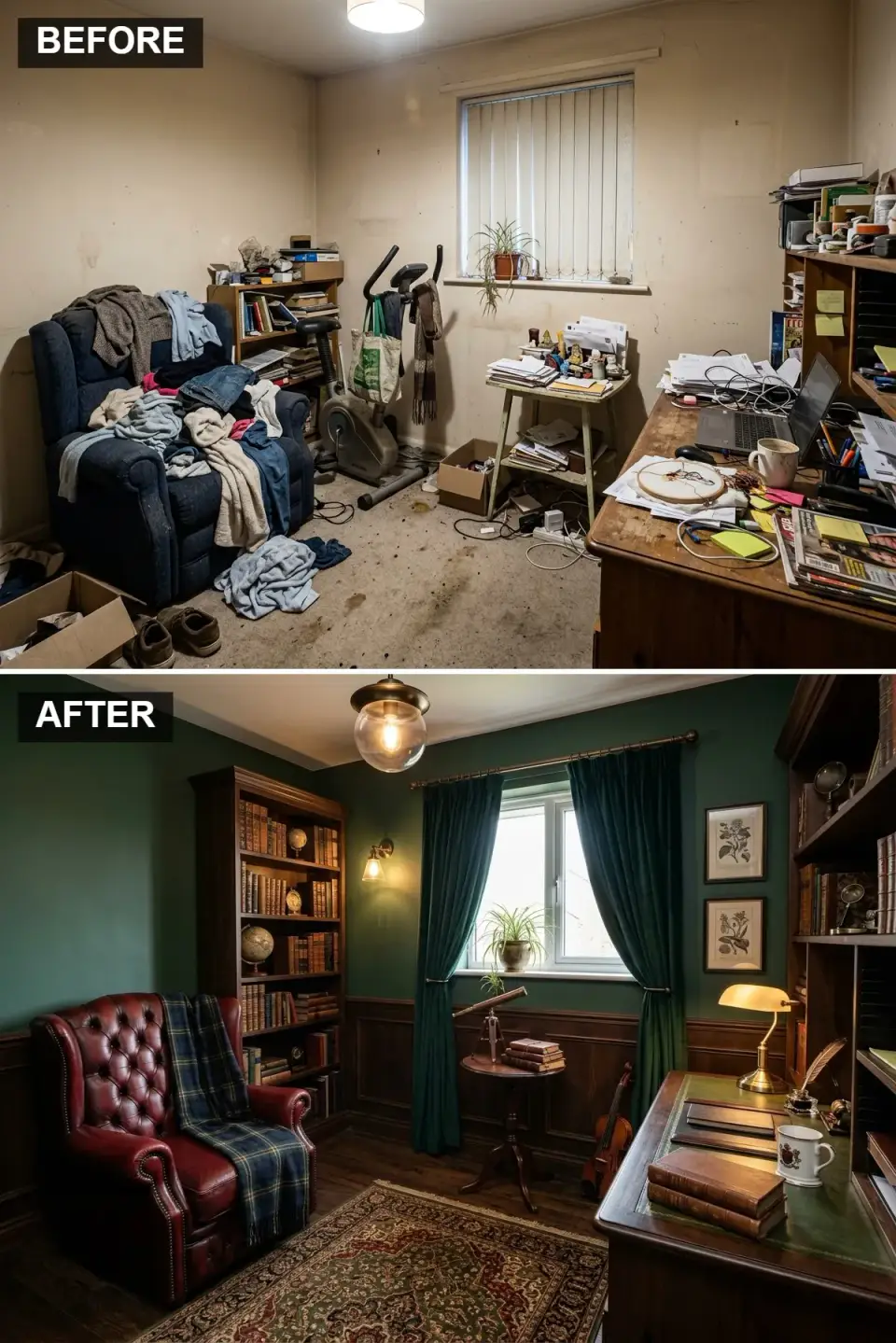
The gentleman's-study aesthetic predates dark-academia by about 150 years — English country-house libraries of the 1850s are the reference — and it works beautifully in a Lowcountry spare room because our older homes already have the architectural bones. Plaster walls, 10-foot ceilings in 19th-century single-houses, real wood mouldings. Hunter green (Farrow & Ball Studio Green 93 or Benjamin Moore Hunter Green 2041-10) is historically correct to the period. The honesty caveat: a real antique mahogany partners desk is $3,500–$8,000 at auction; a reproduction in solid mahogany from Kittinger or Henkel Harris is similar. IKEA's mahogany-toned stuff looks like reddish MDF in photos and worse in person.
Color Palette
Hunter Green
#355E3B
Rich, period-correct green that reads as a 19th-century library in warm incandescent light.
Dark Mahogany
#4A2C2A
Solid mahogany or a convincing mahogany-stained cherry — grain matters here.
Oxblood
#800020
A Chesterfield armchair or a button-tufted wingback in aged oxblood. Real leather only — vinyl reads wrong immediately.
Emerald
#046307
A small emerald-velvet bench or chesterfield sofa for the reading corner.
Styling Notes for This Look
- A secondhand Chesterfield on Charleston Craigslist or at Terrace Oaks Antique Mall runs $600–$1,800 — a new full-hide Chesterfield from Restoration Hardware is $4,500+. The secondhand version is usually better leather.
- Brass banker's lamps from Emeralite or House of Antique Hardware, $180–$350 — the green glass shade is the period detail that makes the look read correctly.
- A Persian or Heriz-pattern wool rug underneath; avoid jute in this direction — the texture is wrong for the formality.
- Smoking-room atmosphere without the smoking: a single leather-bound desk journal, a decanter (even empty), and a pair of brass candlesticks finish the look without kitsch.
4. The Glamorous Art Deco Dressing Room
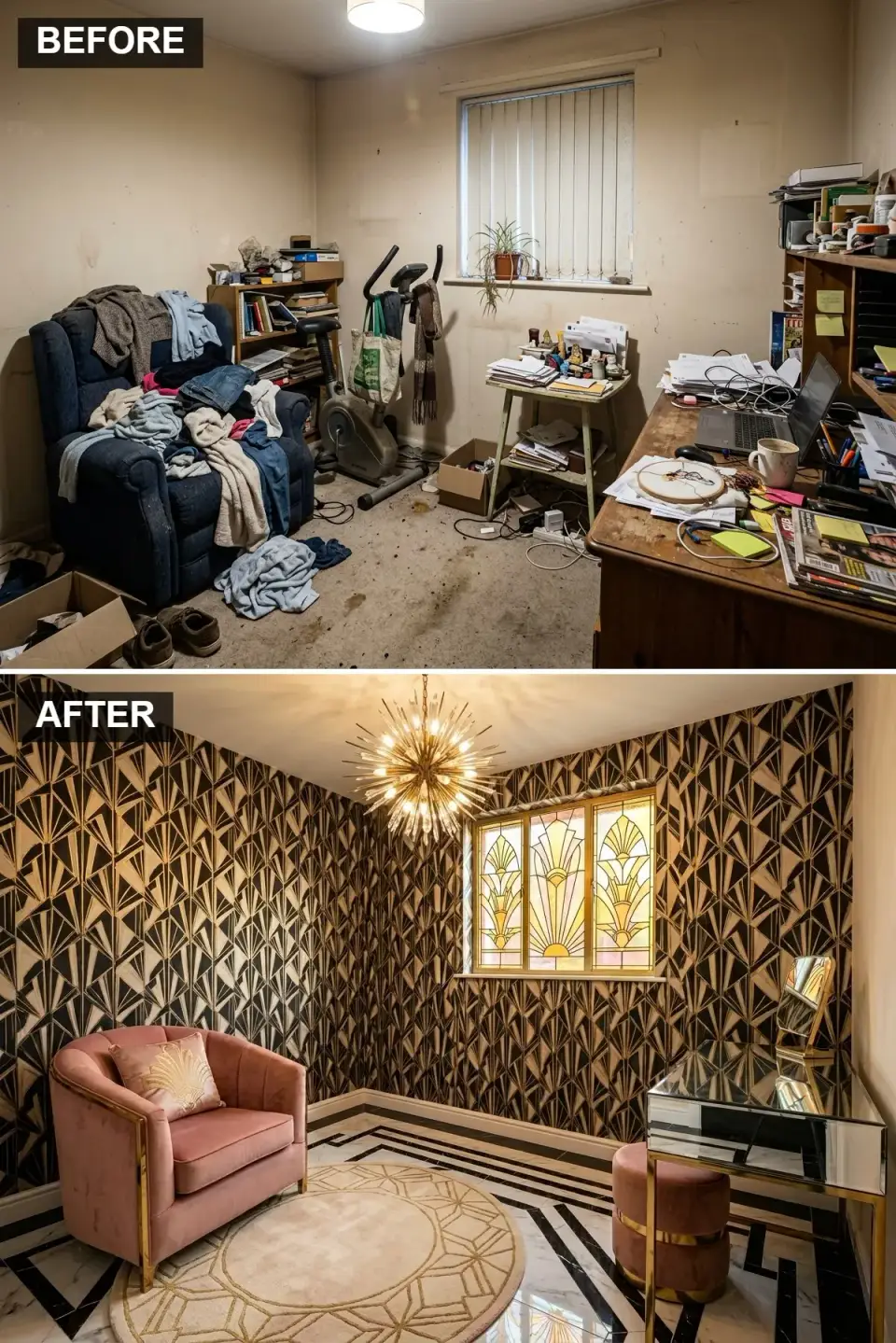
Art Deco is the direction most spare rooms get sold on Instagram and fewest actually execute well — the scale is hard and the materials are expensive. True Deco (1925–1940) relies on geometry, symmetry, and a very particular ratio of matte-black lacquer to gold leaf. The period-appropriate wallpapers from Cole & Son (Versailles, Palmeral) or Schumacher (Chiang Mai Dragon) run $180–$340 per roll and cover about 28 sq ft per single roll. An 11×12 dressing room uses 5–7 rolls. A Carrara or Statuario marble vanity top ($85–$150 per sq ft installed in Charleston) is expected; solid-surface look-alikes read cheap on camera because the vein pattern repeats.
Color Palette
Matte Black
#1A1A1A
Lacquer-black on cabinetry and the vanity frame — Benjamin Moore Black Jack 2120-10 holds up as the closest matte match.
Brushed Gold
#D4AF37
Hardware, mirror frames, and the geometric wallpaper motif. Brushed, not polished — polished reads 1980s Miami, not 1930s Deco.
Dusty Rose Velvet
#C9A4A4
A curved velvet vanity stool or chaise — the softening element the palette needs.
Carrara Marble
#F2EFE9
Soft-white field with grey veining for the vanity top. Honed, not polished — polished marble shows every fingerprint.
Styling Notes for This Look
- A proper mirrored vanity with Hollywood-style globe bulbs (2700K, minimum 3200 lumens total across the mirror) is essential — single-source light flattens the face.
- Deco wallpaper has a strong vertical or geometric repeat; use it on one accent wall, not all four. All-four-wall Deco paper turns a small room into a jewel box in the wrong sense.
- The sculptural plant in most Deco reference photos is a real or faux fiddle-leaf; in Charleston, a fiddle-leaf by a west-facing window survives; in any interior room, swap for a faux (Nearly Natural or Afloral, $80–$220).
- Floor: honed marble tile, black-and-white checkerboard, or a high-quality vinyl plank that imitates either (Shaw Floorté Premio or Karndean). Real tile beats the vinyl, but vinyl beats cheap ceramic imitation.
5. The Minimalist Japandi Workspace
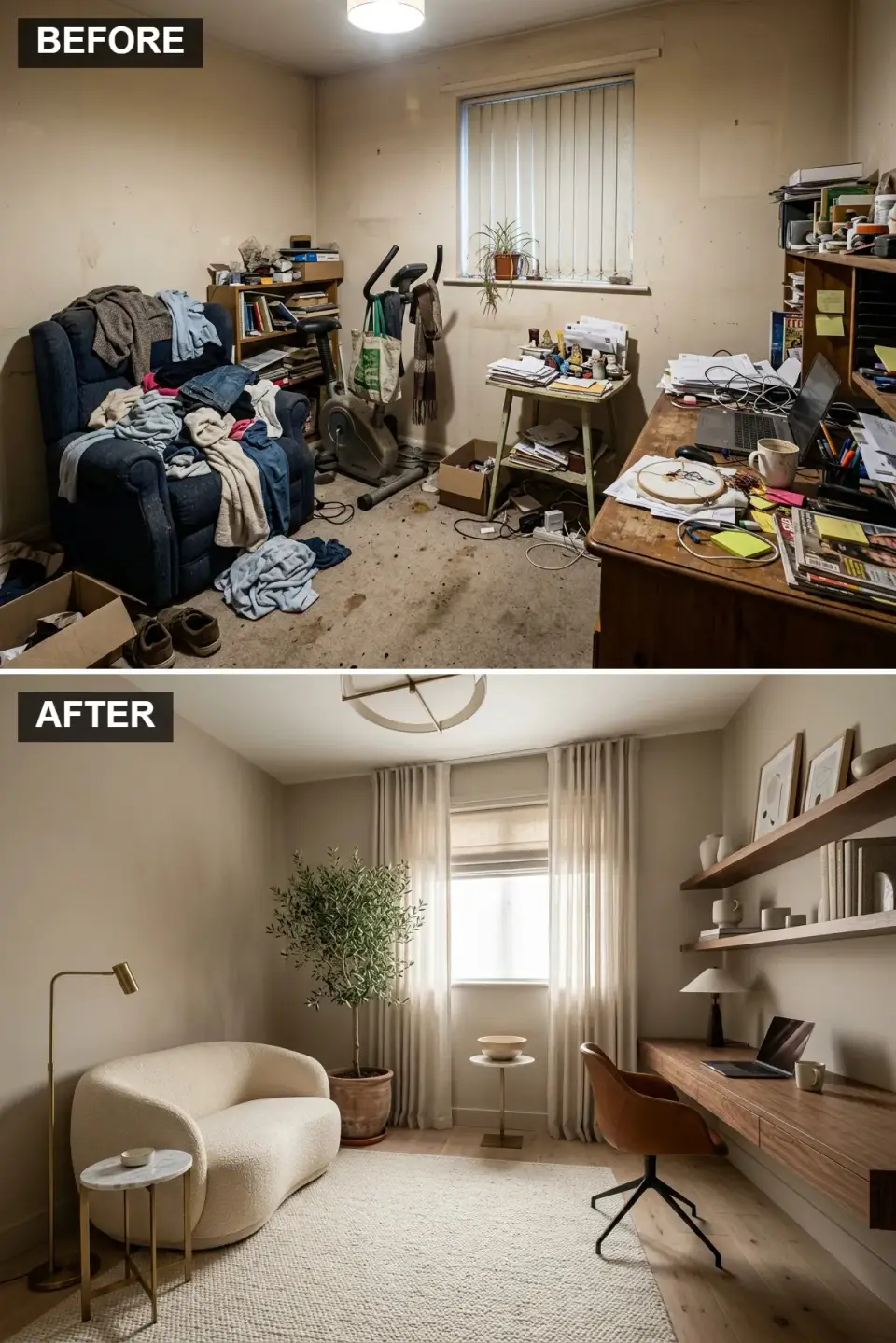
Japandi is the direction I see executed the worst online and the best in Lowcountry homes that already have clean-lined architecture. The rule that matters is restraint on material count — Japandi works at three to four materials total, visible at once. A light oak floating desk (QuerCus, Nelson & Sons, or custom from a Charleston cabinetmaker, $850–$2,400), a single cream-bouclé task chair (Norr11 Club, HAY Mags, or a convincing IKEA Dyvlinge if the budget is tight), a tan-leather bench, and a single paper pendant (Hay, Noguchi Akari UF3-Q, or a Muji) — that's it. Add a fifth texture and the room reads Pottery Barn, not Japandi.
Color Palette
Warm Greige
#D5CCC0
Benjamin Moore Edgecomb Gray HC-173 is the closest match that holds in Charleston's warm-light conditions.
Light Oak
#C9B29B
White oak or natural-finish ash — no amber stain, no yellow tones.
Cream Bouclé
#F0E6D6
A single curved-silhouette bouclé chair — the sculptural element the palette asks for.
Tan
#B38B6D
A tan-leather bench or small sling chair, for warmth against the neutrals.
Styling Notes for This Look
- Japandi fails when it becomes "everything beige." The tan leather and the one darker wood tone — even something simple like a small teak bowl — provide the contrast that keeps the room from reading washed out on camera.
- Lighting color temperature: 2700K across the entire room. Mixing 2700K and 4000K fixtures in a Japandi room is the single most common mistake — the palette falls apart under cool light.
- Storage is hidden by design. A floating oak console with inset-pull doors, a closed wall cabinet, a single low shelf — no visible binders, cords, or chargers. Plan a cord channel in the desk from day one.
- One plant only — a small bonsai (a temperate juniper, not a tropical ficus, for anyone with a window) or a single stem of dried pampas in a handmade stoneware vase.
6. The Retro Mid-Century Modern Office
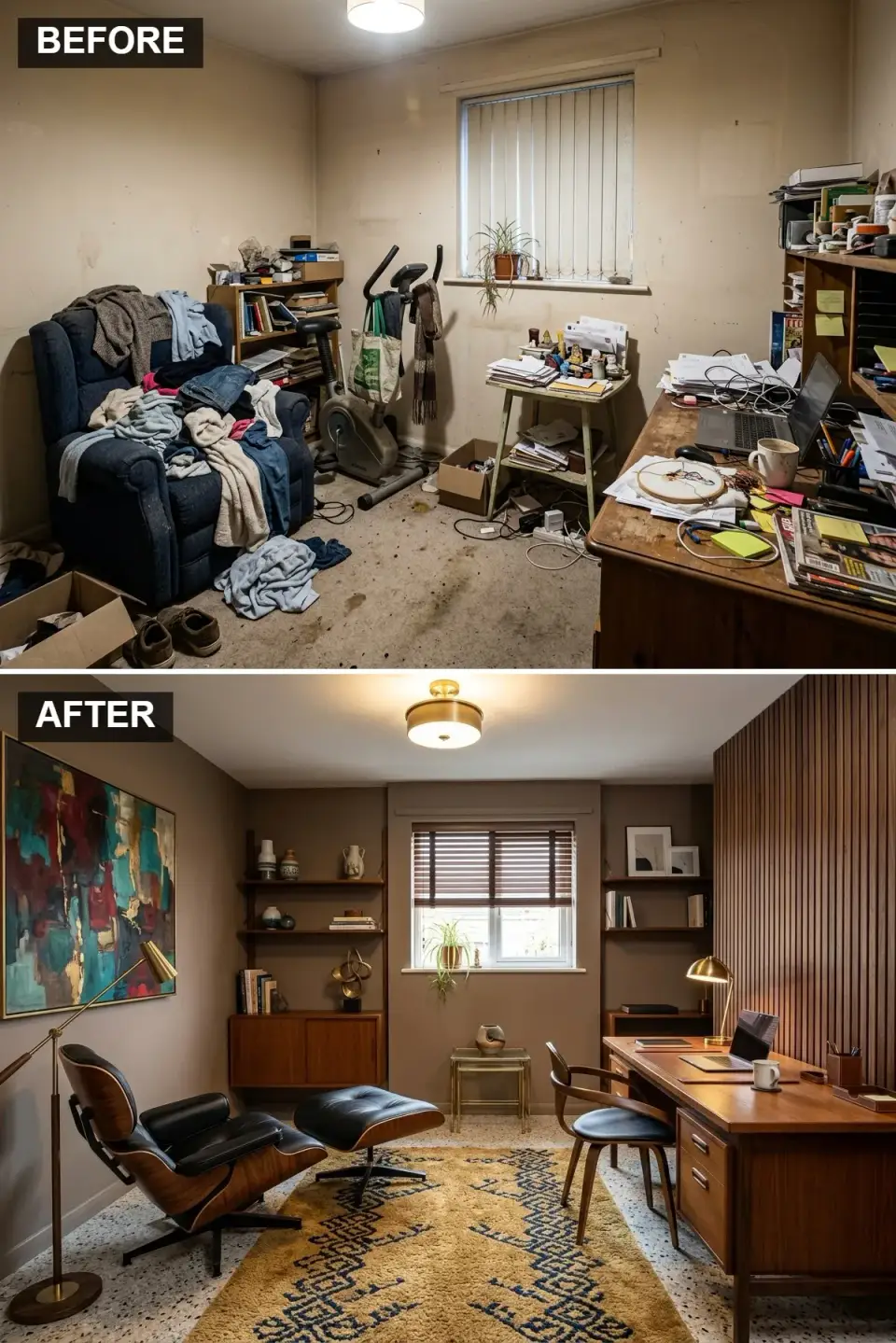
Mid-century is the direction that's been hottest in American interiors for fifteen years running — and the direction most often cheapened by mass-market knockoffs. A real teak desk from the period (Scandinavian Designs, 1st Dibs, or a local Charleston shop like Terrace Oaks Antique Mall) runs $1,200–$4,500 and will outlast any new-build desk you buy. A vintage Eames Lounge and Ottoman at fair condition from a reputable dealer is $3,800–$6,400; a Herman Miller–authorized new one is $7,500+; the Amazon knockoff at $600 is always, always identifiable on camera by the shallower shell curve and the veneer seams. Pick your battles — vintage desk, new-authorized chair, or the other way around, but don't do the knockoff version of either piece.
Color Palette
Cocoa Brown
#6B4A2A
Period-correct earthy brown — Benjamin Moore Char Brown 2113-20 reads as the closest match.
Teak
#8B6F4E
Real Danish teak from a vintage piece — the grain signature is unmistakable.
Black Leather
#1A1A1A
The Eames Lounge shell or an authentic Knoll Pollock executive chair — aniline leather, not corrected-grain.
Terrazzo
#D9D0C1
Poured terrazzo, or a high-quality terrazzo-look LVT (Karndean Opus or Shaw Floorté Premio) — gives the scale the period wants.
Styling Notes for This Look
- Teak furniture needs annual reoiling — Watco Teak Oil or Howard Feed-N-Wax. Skip it and the wood dries and grays in Charleston's humidity swings.
- A Sputnik chandelier works if the ceiling is 9 feet or higher and the room is at least 120 sq ft. In a low-ceilinged ranch, swap for a Nelson Saucer pendant (authorized reproduction from Herman Miller, $450–$900).
- Period-correct accent pieces: a Bertoia wire bird chair ($900–$1,400 authorized), a Noguchi coffee table, a Clara Porset cubed wood side table. One statement per room — the whole room of MCM icons reads like a showroom.
- Terrazzo-look LVT installed runs $6–$11 per sq ft; real poured terrazzo is $28–$58 and requires a pour depth most spare rooms can't structurally support.
7. The Serene Wabi-Sabi Sanctuary
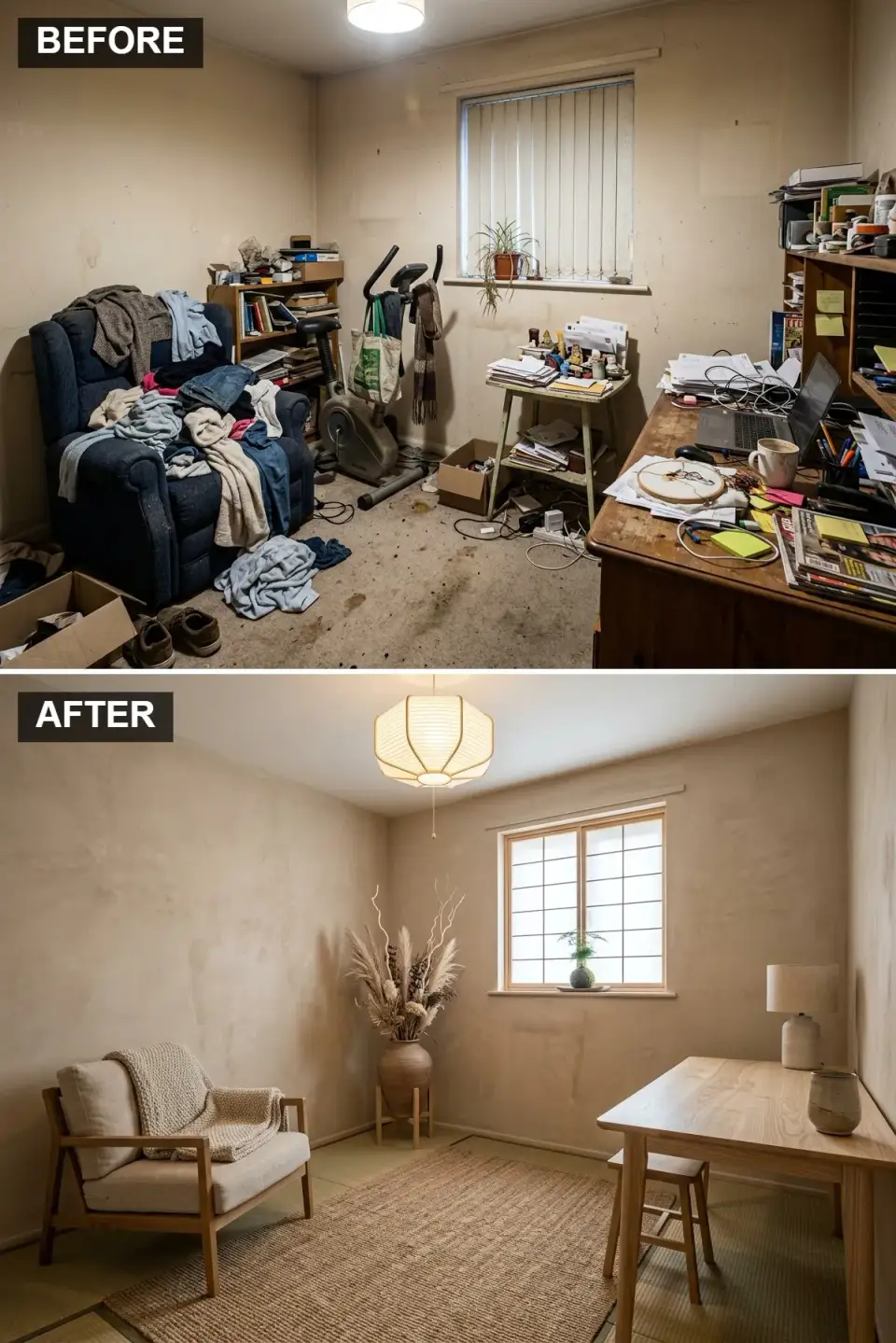
Wabi-sabi is the most misunderstood direction on the internet. The Japanese aesthetic is not "rustic imperfection" in the Restoration-Hardware sense — it's a specific appreciation for the marks left by time on natural materials. Real wabi-sabi interiors rely on limewash or Venetian plaster walls (Romabio Classico Limewash, $54–$85 per gallon, covers 200–300 sq ft per coat), unfinished or subtly-treated wood, and handmade ceramic vessels with visible glaze drips and kiln-kissed edges. The aesthetic fails when it becomes "throw pillow wabi-sabi" — a distressed grain sack thrown on a new couch is not the same conversation.
Color Palette
Plaster Beige
#D7C9B3
Romabio Classico Limewash in Riposo Beige or a custom-tinted lime plaster — variation in the finish is the point.
Tatami Straw
#BDB08B
Synthetic igusa-pattern tatami or a high-quality jute — avoid real straw tatami in Charleston's humidity.
Light Ash
#C1AE96
Unfinished or hard-waxed ash — the grain should be visible as the dominant pattern in the room.
Oatmeal Linen
#E6DDCB
Heavy-weight Belgian linen curtains or a natural-linen bed cover — Rough Linen or Parachute hit the weight.
Styling Notes for This Look
- Real Venetian plaster or limewash is $7–$14 per sq ft installed in Charleston. A DIY limewash kit (Romabio) is $54–$85 and genuinely teachable in one afternoon; Venetian plaster requires a trained plasterer.
- Ceramics: a single handmade piece from a local potter — I use Heath Ceramics, Peter Fiore, or Lowcountry Pottery in Mount Pleasant. The store-bought "Japanese-style" pieces from HomeGoods read wrong immediately because the glaze is machine-even.
- Lighting: warm (2700K), dim, and indirect. A paper lantern pendant plus a low floor lamp at 30 inches — no overhead can-lights.
- One dried branch in a tall vessel is the reference — not five. Restraint is the aesthetic.
8. The Sophisticated Custom Home Office
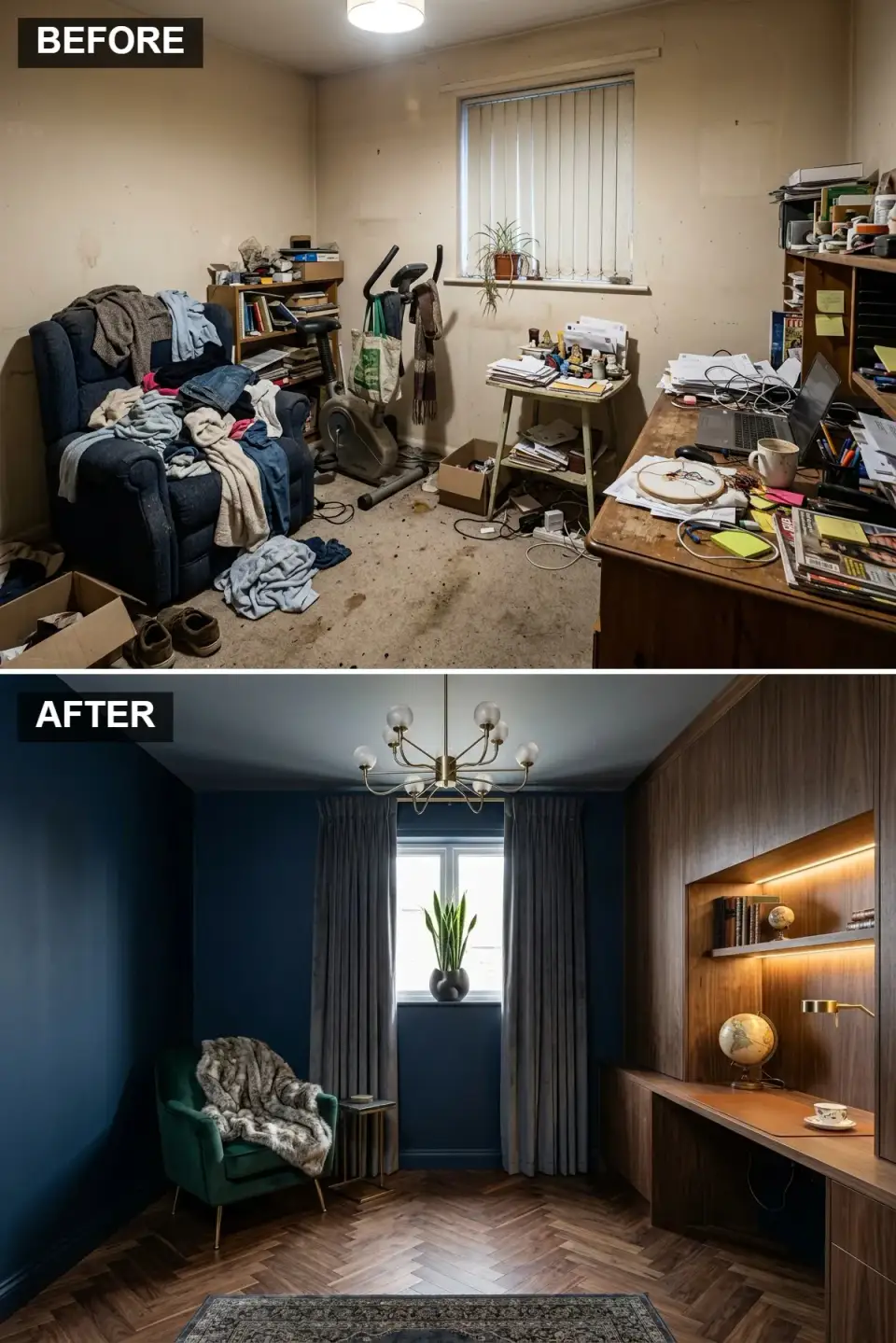
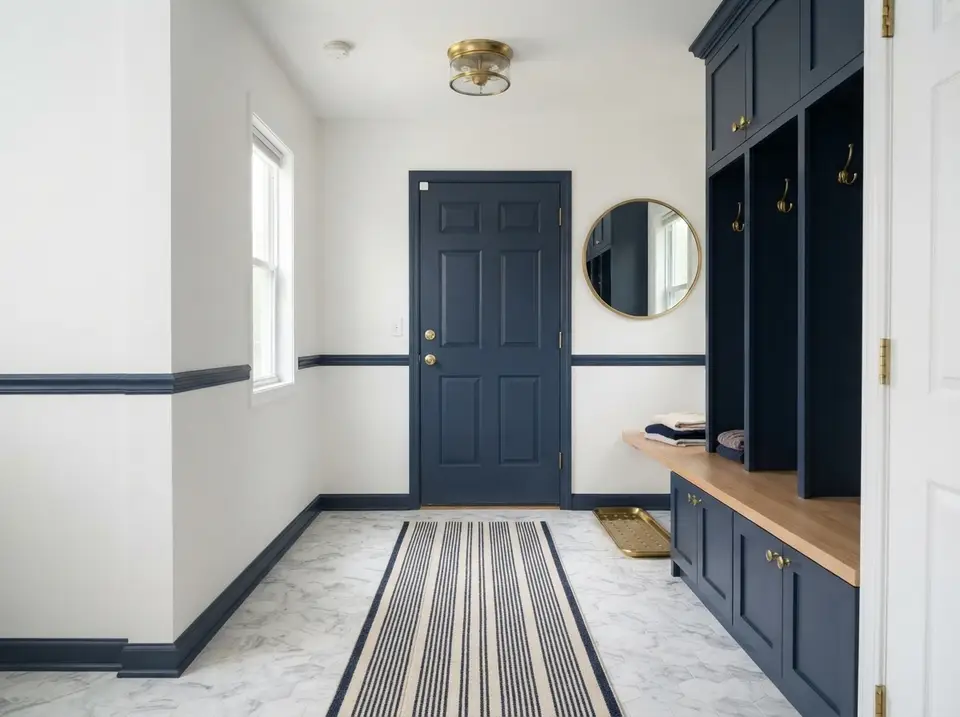
The custom built-in office is the highest-ROI direction on this list — Remodeling magazine's 2024 Cost vs. Value Report puts built-in cabinetry at 54–62% return in the South Atlantic region, and the intangible "this is clearly a dedicated home office" signal is a real comp premium in post-2020 Charleston real-estate listings. The budget, however, is serious. A full wall-to-wall walnut-veneer built-in for a 140-square-foot spare room runs $6,500–$14,000 installed from a Charleston cabinetmaker like Wright & Sons or Stono Cabinetry. The midnight-blue accent wall behind the desk (Sherwin-Williams Naval SW 6244) is the high-impact, low-cost piece that finishes the look.
Color Palette
Midnight Blue
#1B2A4E
Sherwin-Williams Naval SW 6244 — the reference blue for built-in surrounds.
Dark Walnut
#3E2A1A
Solid walnut or stain-grade walnut veneer on the built-ins and desk.
Emerald Velvet
#046307
A single emerald-green velvet reading chair — Jayson Home, Kim Salmela, or a Charleston upholsterer's piece.
Warm LED
#F2C68A
2700K across the room — library warmth, not showroom clinical.
Styling Notes for This Look
- Built-ins are the structural decision; everything else is trim. Budget 60–70% of the project cost for the built-ins and 30–40% for lighting, seating, and textiles.
- Coffered ceiling is $38–$72 per sq ft installed if the ceiling is flat drywall; skip it in rooms under 9-foot ceilings — it reads as compression.
- Brass banker's lamp and a pair of library-style picture lights above the built-ins (Hudson Valley, Visual Comfort, $180–$420 each) — the detail that shifts the room from "office with shelves" to "private study."
- Plan an Ethernet drop to the desk during the built-in install — retrofit after cabinetry is installed is painful.
9. The Edgy Industrial Loft Workspace
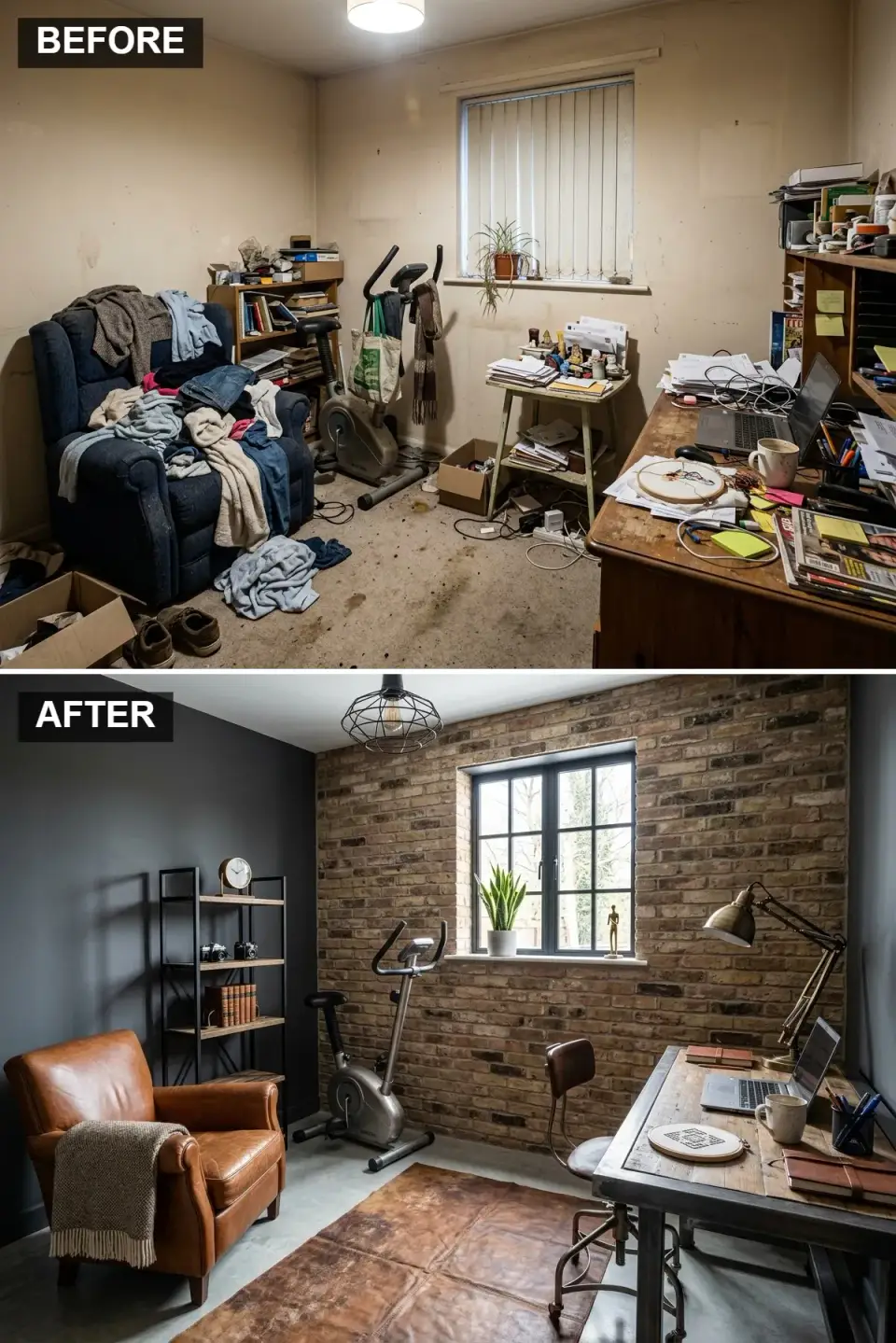
Industrial works best where it's honest — where the brick is actually structural, the concrete actually poured, the piping actually wired conduit. In Lowcountry single-houses and warehouse conversions on Upper King, the brick is already behind the drywall; stripping one wall back to the original is $1,200–$3,800 in careful demolition plus masonry tuck-pointing. The faux-brick-panel direction never convinces on camera — the repeat pattern always shows at diagonal angles. Charcoal grey walls (Benjamin Moore Graphite 1603 or Kendall Charcoal HC-166) balance the warm brick tone. Polished concrete is the floor answer where the slab allows; in upper-floor spare rooms, a concrete-effect LVT from Armstrong or Karndean is the substitute.
Color Palette
Exposed Brick
#8B4A3B
Real structural brick, cleaned and sealed — Prosoco SureKlean 600 for cleaning, Prosoco Saltguard for the seal.
Charcoal Grey
#3C3C3C
Matte charcoal on remaining walls — absorbs roughly 88% of light; lean into layered lamps.
Polished Concrete
#9C9C9C
Ground and polished to an 800-grit finish, sealed with a lithium densifier.
Aged Leather
#6E4A2E
A distressed saddle-leather club chair — secondhand vintage is better than new-distressed for this direction.
Styling Notes for This Look
- Exposed brick requires sealing — unsealed brick sheds dust continuously and is a respiratory irritant. Prosoco Saltguard at $62 per gallon covers about 150 sq ft.
- Pipe-and-plank desk: black-iron plumbing fittings plus a reclaimed 8/4 slab of southern yellow pine or poplar — from a Charleston salvage yard like Material Things. Total material cost $180–$420 for a 60-inch desk.
- Edison-filament bulbs are the expected accent — use LED Edison replicas (Feit Electric ST19 or Phillips Hue Filament) to avoid the heat of incandescent in a small room.
- Ironwork: Charleston has two or three small smiths who do custom shelf brackets, coat hooks, and desk bases — expect $85–$180 per piece.
10. The Bright and Breezy Coastal Escape
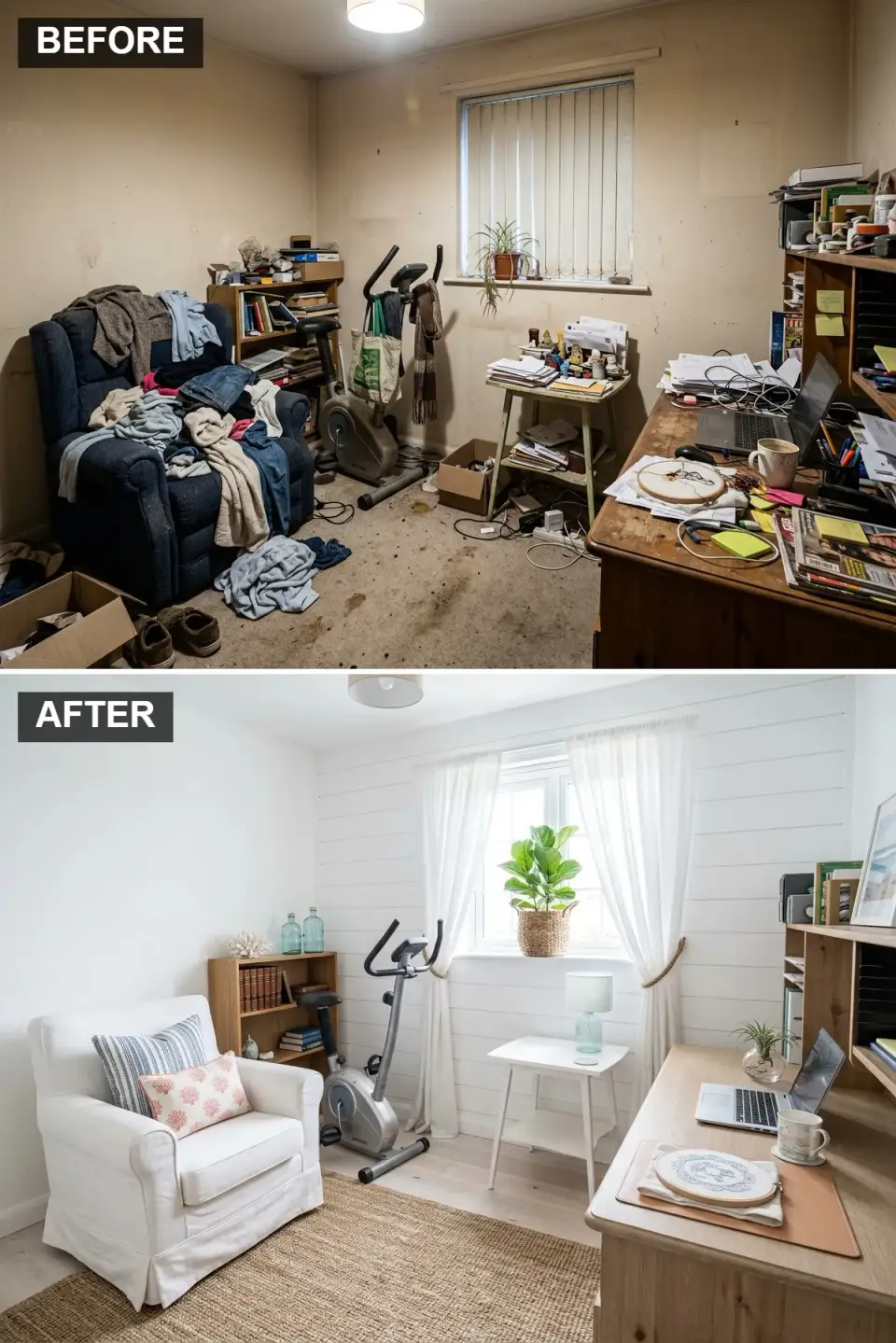
Coastal is the direction every Charleston and Lowcountry client asks for first and most execute badly — usually because they lean on the cliché signifiers (anchors, rope-wrapped jars, starfish) instead of the architecture. Real coastal is a material story: white-painted shiplap or bead-board (Metrie or Kingwood, $3.80–$6.40 per sq ft installed), whitewashed white oak flooring, unbleached Belgian linen, and one or two sea-glass-blue accents against an otherwise neutral palette. The signifiers are optional — the material palette is not. Humidity is the engineering side; everything in this direction needs to tolerate 70%+ summer RH without warping. That rules out MDF casework and most imported particleboard furniture.
Color Palette
White Shiplap
#F5F0E6
Benjamin Moore White Dove OC-17 or Chantilly Lace OC-65 — warmth without yellow.
Whitewashed Oak
#E0D4BE
Wide-plank white oak with a Rubio Monocoat limewash finish — holds its color in Charleston UV.
White Linen
#F2ECE0
Slipcovered seating in heavy Belgian linen — Libeco, Rough Linen, or a custom upholsterer.
Sea Glass Blue
#B7D3C6
Sherwin-Williams Sea Salt SW 6204 on one accent wall or in pillow fabric — the single color signal the room asks for.
Styling Notes for This Look
- Shiplap vs. bead-board: bead-board reads more historically correct for the Lowcountry; shiplap reads more "Magnolia." Both work. In a 1920s single-house, bead-board is the honest choice.
- Whitewashed oak with Rubio Monocoat White or Bona NordicSeal runs $7–$12 per sq ft for the finish; the oak flooring itself is $8–$14 per sq ft installed.
- Slipcovered furniture is non-negotiable in a humid coastal room — removable, washable covers win over permanent upholstery every time when the AC is off for a weekend and the humidity hits 80%.
- Skip the rope-wrapped anchor. A single piece of real driftwood, a pair of woven rattan pendants (Serena & Lily or a handmade piece from the Charleston City Market), and one small framed nautical chart is all the signifier the room needs.
11. The Cozy Scandinavian Sanctuary
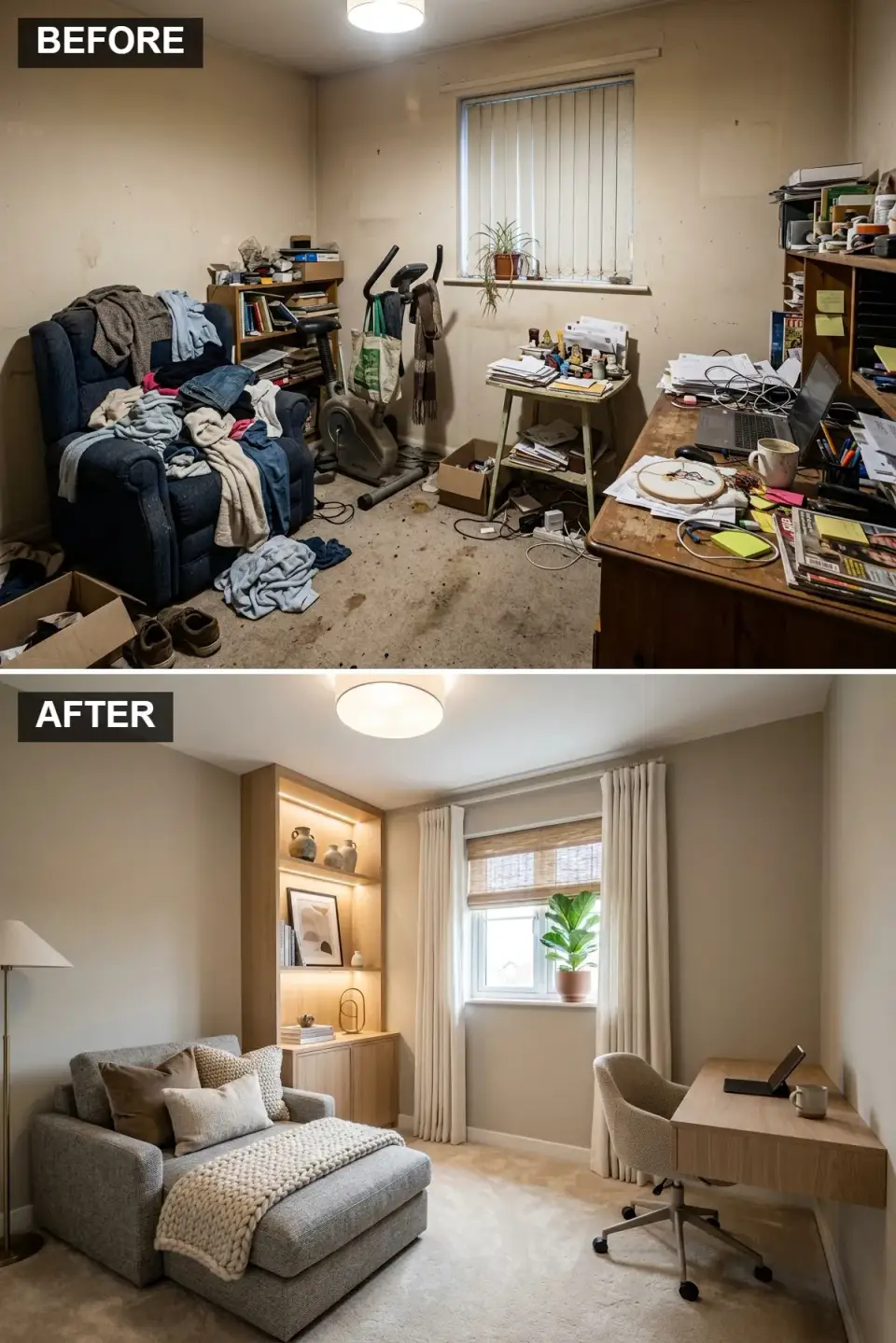
Scandinavian design at its best is not "IKEA" — it's a century-old tradition of functional restraint, natural materials, and a very specific treatment of light. In Copenhagen the windows face a grey winter sky eight months of the year; the palette evolved as a response. In Charleston our light is the opposite — warm, directional, and intense for nine months — so the color temperature of every bulb matters more. Stick to 2700K across the room. Soft greige (Farrow & Ball Strong White 2001 or Benjamin Moore Classic Gray OC-23) reads warm in morning light and cool in evening, which is precisely the Scandi ambition.
Color Palette
Soft Greige
#DCD4C8
Benjamin Moore Classic Gray OC-23 or Farrow & Ball Cornforth White 228 — both read Scandinavian-correct.
Light Oak
#C9B29B
Wide-plank white oak with a natural or hard-wax oil finish — Rubio Monocoat Natural or OSMO Polyx.
Heather Grey
#A8A7A0
Wool throws and a heavy grey linen drape — Merida Wool or Parachute.
Cream Wool
#EEE4D0
A single cream bouclé armchair or a lambswool sheepskin — the tactile centerpiece.
Styling Notes for This Look
- Layered lighting is the one non-negotiable — overhead plus table plus floor plus one sconce. Scandi interiors typically have 5–8 light sources in a 140-square-foot room, all dimmable.
- Candles are part of the aesthetic — real beeswax tapers in a brass candlestick on the desk or side table. LED-flickers read wrong.
- One small plant — a terracotta-potted rubber tree (Ficus elastica) or a single hanging pothos. The austere palette needs one living element.
- Skip the reindeer-hide throw; skip the reclaimed barn wood; skip the geometric black-and-white rug. Those signifiers are the Pinterest-version of Scandi, not the actual tradition.
Regional Fit: How These Directions Land Across the Southeast
Charleston, SC
Humidity is the governing constraint. Anything involving real plaster, tatami, or period wood responds directly to 65–85% summer RH. A dedicated dehumidifier ($220–$380 for a 40-pint unit) is the single most effective pre-design purchase. Directions 1, 3, 8, and 10 read most historically correct for the city's 18th–19th-century architectural vernacular.
Nashville, TN
Moderate humidity, four real seasons, and a strong preference for craftsman and traditional architecture. Directions 3, 6, 8, and 11 fit most Nashville neighborhoods. Tennessee hardwood availability (white oak, walnut) keeps built-in costs 10–15% below Charleston median.
Atlanta, GA
Metro Atlanta's mix of intown historic and suburban new-build supports the full range. The industrial direction reads strongly in the Old Fourth Ward, Castleberry Hill, and West Midtown lofts. Biophilic and coastal read well in Decatur, Brookhaven, and Vinings.
Austin, TX
Dry climate, high UV, and a strong contemporary-modern bias in spec builds. Directions 2, 5, 6, and 9 fit Austin's architectural grain. UV-resistant window film is worth the $8–$14 per sq ft on any south- or west-facing window for wallpaper or upholstery-protection reasons.
Phoenix, AZ
Very dry, extreme UV. Directions 4, 5, 6, and 9 fit the modern-desert aesthetic. Skip the live plants unless the room has a grow light — desert interior humidity can drop to 15% and most tropicals struggle.
Naples, FL
Salt air and hurricane-zone construction shape everything. Coastal (Direction 10) is the native language. Directions 4 and 5 fit the high-rise condo market. Anything with metal finishes needs marine-grade treatment — bathroom-style 316 stainless or solid brass, never plated steel.
Asheville, NC
Mountain light, mild summers, and cold-to-moderate winters. Directions 2, 3, 6, 7, and 11 fit Asheville's Arts-and-Crafts and mountain-modern vernacular. Wood stove or gas-log stove in the spare room is reasonable here and nowhere else on this list.
Pro Tips for Any Spare Room Transformation
- Address moisture and humidity before you choose a palette. A 40–70 pint dehumidifier ($220–$380) protects wood, paper, leather, and electronics from the Lowcountry's 70–85% summer RH. Skip this and every direction on the list degrades within 18 months.
- Test the room's lighting at the exact times you'll use it. Morning-light paint readings differ from evening by 15–25% in warmth perception. Sample large swatches (at least 12×12 inches) and leave them up for 48 hours before committing.
- Plan electrical and data before paint. Add a dedicated 20-amp circuit if the room will host a workstation, a 4K monitor, or a space heater. Hardwire Ethernet for any serious home office — WiFi will be a quiet frustration for 12 months otherwise.
- Spend the furniture budget on the pieces you touch daily. A $900 Herman Miller Aeron off Charleston Craigslist outperforms a $1,800 "designer" office chair from a mass-market brand on every ergonomic metric. Desk, chair, and lighting first; decor after.
- Sound treatment is design. Wool rugs, cork walls, acoustic panels, and heavy drapes all reduce the "basement echo" that cheapens otherwise-well-designed rooms. Budget $300–$800 for sound treatment on any serious workspace.
- Cable management is a material choice, not an afterthought. A $30 under-desk cable tray plus a $15 Velcro wrap kit changes the room more than a $300 decor object. Plan cord paths during the build, not after.
- Permit anything structural before you start. In Charleston County, any change to wiring, load-bearing walls, or egress windows requires a building permit. Expect 2–4 weeks in the permit queue.
Frequently Asked Questions
Which of these directions has the best resale ROI in the Lowcountry? Direction 8 — the sophisticated custom home office with built-ins — returns 54–62% of cost in the South Atlantic per Remodeling magazine's 2024 Cost vs. Value Report, and a dedicated office reads as a measurable comp premium in post-2020 Charleston listings. Direction 1 (library-lounge) and Direction 3 (gentleman's study) also return well because the built-ins translate across buyer taste. Direction 4 (Art Deco) and Direction 6 (mid-century) are the most polarizing and usually get undone by the next owner. How much should a full spare-room transformation cost in Charleston? Paint and furniture only: $1,800–$4,500. Adding lighting, window treatments, and a rug: $5,500–$11,000. Full built-in cabinetry with custom electrical and a coffered ceiling: $14,000–$28,000. Budget for the pre-design work (dehumidifier, egress if needed, electrical upgrade) separately — that's usually $1,500–$5,000 on top of the design budget. What's the minimum square footage for each direction to work? Japandi (Direction 5), wabi-sabi (7), and Scandinavian (11) work in 80 sq ft. Most others need 120–160 sq ft for comfortable circulation. Library-lounge (1) and the custom built-in office (8) really need 140+ sq ft for the built-ins to have scale. The industrial direction (9) needs at least 130 sq ft — pipe furniture looks cluttered in smaller rooms. Can I do any of these in a basement or converted garage? Yes, but expect $8,000–$20,000 in pre-design infrastructure work on moisture remediation, waterproofing, egress window upgrades (required by IRC R310 for below-grade habitable rooms), and HVAC. Charleston's water table, flood-zone designation, and humidity load make this non-optional. A properly-prepped basement can host any direction on this list. How long does each direction realistically take from start to finish? Paint-and-furniture directions (5, 7, 11): 1–2 weekends. Moderate-build directions (2, 4, 9, 10): 3–5 weeks with contractor coordination. Full built-in directions (1, 3, 8): 8–14 weeks including cabinetry lead time. Charleston County permit queue adds 2–4 weeks to anything structural. Summer hurricane prep season (July–October) delays everything by 15–25%. Which direction is easiest to live with if I work from home full-time? Directions 5, 8, and 11 are the most daily-practical for a full-time remote worker. They prioritize functional storage, layered lighting, and acoustically forgiving materials. Directions 1, 3, and 6 are beautiful but dark — Zoom lighting requires additional ring lights or key lights to compensate. Direction 4 and Direction 9 can look incredible and drain you — the saturation and contrast are high for 8-hour workdays. Can I mix elements from two directions without it looking confused? Yes — the most-commissioned hybrid in my Charleston practice is Direction 5 (Japandi) plus Direction 2 (biophilic) — a light-oak floating desk against a sage wall with a single live-edge accent. Direction 8 plus Direction 11 — custom built-ins in light oak with a Scandinavian material palette — is also common and reads well on camera. Avoid mixing saturated moody directions with light neutral ones — a library-navy wall with a cream-bouclé bouclé chair reads like two different rooms photographed together. Do I need a designer for a single-room transformation? For a single direction with a clear palette, a 2-hour paid consult ($200–$450 in Charleston) is usually enough — long enough to catch lighting, circulation, and material issues before purchase. Full-service design on a single spare room is rarely cost-justified unless the room is part of a larger renovation. E-design services (remote, $450–$900 for a single room) are a middle-ground option.Sources and References
- Remodeling magazine, 2024 Cost vs. Value Report (South Atlantic region) — home office addition, built-in, and accessory dwelling ROI figures.
- NAHB Construction Cost Survey, 2024 edition — regional labor and material cost benchmarks.
- International Residential Code (IRC), 2021 edition: R310 (emergency egress openings), R303 (natural light and ventilation), R324 (moisture and flood resistance), R408 (crawlspace ventilation).
- National Electrical Code (NEC) 2023, Article 210 and Article 300 — dedicated circuits and wiring methods for home office installations.
- Illuminating Engineering Society (IES), Lighting Handbook, 10th edition — task lighting lux targets and layering principles for workstations.
- Saxbe, D. E., & Repetti, R. (2010). No place like home: Home tours correlate with daily patterns of mood and cortisol. Personality and Social Psychology Bulletin, 36(1), 71–81 — clutter-cortisol findings underlying the "serene sanctuary" reasoning.
- Kellert, S. R., & Calabrese, E. (2015). The Practice of Biophilic Design. Terrapin Bright Green — biophilic framework for Direction 2.
- Browning, W. D., Ryan, C. O., & Clancy, J. O. (2014). 14 Patterns of Biophilic Design. Terrapin Bright Green — supporting biophilic evidence base.
- Figueiro, M. G. (2017). Circadian lighting metrics and applications. Lighting Research and Technology — 2700K warm-light reasoning across directions.
- Elliot, A. J., & Maier, M. A. (2014). Color psychology: Effects of perceiving color on psychological functioning. Annual Review of Psychology, 65, 95–120 — color-cognition evidence underlying palette recommendations.
- Romabio Classico Limewash, published installation guide — Direction 7 material-cost anchors.
- Prosoco SureKlean and Saltguard technical data sheets — Direction 9 exposed-brick cleaning and sealing costs.
- Rubio Monocoat Pro Oil Plus 2C, published coverage data — Directions 10 and 11 whitewash floor finish.
- Herman Miller and Knoll published price lists, 2025 edition — Direction 6 seating cost anchors.
- Charleston County Building Department — current permit requirements for habitable room conversion, electrical upgrades, and egress windows.
- Visual Comfort and Circa Lighting current catalogs — Directions 1, 3, and 8 lighting specifications.
- Johan Martez consulting notes, 2018–2025 Lowcountry spare-room projects — used for real-quote anchors on built-ins, lighting, HVAC, and moisture remediation.
Final Thoughts
The Mount Pleasant client I opened this piece with landed on a hybrid of Direction 8 (custom home office) and Direction 11 (Scandinavian sanctuary) — midnight-blue accent wall behind a light-oak floating desk, cream bouclé reading chair, layered 2700K lighting, and a woven rattan pendant pulled from the coastal direction. She said the room finally felt like her own rather than a storage closet that happened to have a ceiling fan. That's the real measure of whether a spare-room transformation worked — six months in, do you choose to spend time there, or do you avoid it the way you avoided it before?
Every direction on this list is defensible if you match it to the room's constraints — light, square footage, humidity load, and how you actually plan to use the space. If you're planning a larger multi-room project or want companion reading from the Lowcountry specifically, see our 11 workspace transformations from a single cluttered basement, our ultimate room reveal with 11 transformations from one cluttered mess, our one-room, ten transformations guide, and our 11 bedroom transformations from a single before for adjacent single-room before-after studies.
— Johan Martez, Interior Stylist, Charleston, SC

Elise Marchetti
Transformations Editor · Charleston, South CarolinaBefore-and-after projects with the invoices attached. Elise runs the Transformations desk — interiors, exterior facades and outdoor spaces across the Lowcountry and the wider South — and writes up what actually changed, what it cost, and which three decisions moved the room.
More from Elise →
Reader notes